Designing the Ideal Personalized Produce Boxes: A Progressive Guide
Creating custom produce boxes requires a strategic approach. Experts must consider sustainability, practicality, and aesthetics. Choosing the right substances is vital for maintaining quality and supporting eco-friendly practices. Furthermore, size and form can significantly affect usability and shipping effectiveness. Impactful graphics strengthen brand recognition, while thorough evaluation guarantees durability. Understanding these elements will uncover important understandings into developing exceptional packaging designs that resonate with customers. What follows after is critical to achieving those objectives.
Determining the Best Options for Custom Produce Boxes
When picking materials for custom produce boxes, it is critical to assess both functionality and environmental impact. The decision of material considerably affects the box's resilience, weight, and ability to protect the contents. Common materials include corrugated cardboard, which provides strength and is able to be recycled, making it a popular choice for eco-conscious businesses. Decomposable options, such as molded pulp or plant-based plastics, also support sustainable practices while offering adequate protection for delicate produce.
Additionally, moisture protection is important for preserving product freshness, moving some producers to examine treated materials or targeted protective finishes. The aesthetic appeal of the box warrants attention, as brand messaging and design aesthetics can shape consumer perception. Ultimately, the proper selection should achieve balance between preserving the goods, satisfying consumer preferences, and adhering to environmental standards, making certain that usefulness and environmental responsibility are central to the design process.
How to Select Size and Shape for Functionality?
When deciding on the size and shape of custom produce boxes, thorough evaluation of produce dimensions is essential for proper storage. Additionally, attention to movement and transportation can affect the box design, ensuring ease of movement. Maximizing storage space utilization further improves functionality, enabling efficient display and storage.
Evaluate Produce Measurements Carefully
Determining the proper proportions for vegetable containers is important for smooth operations and productivity. Thorough assessment of produce measurements is necessary, as it makes sure that items fit tightly without unnecessary space that might create damage during warehousing and delivery. Specialized boxes need to support multiple shapes, from soft berries to oversized produce, while keeping durability. Additionally, the height and width of the boxes should allow for efficient stacking and inventory control, optimizing space in warehouse spaces. A quality-built box not only preserves the produce but also boosts consumer appeal for end customers. pertinent details Ultimately, meticulous planning of dimensions aids in minimizing waste and enriching customer journey in the logistics network.
Examine Handling and Transport Procedures
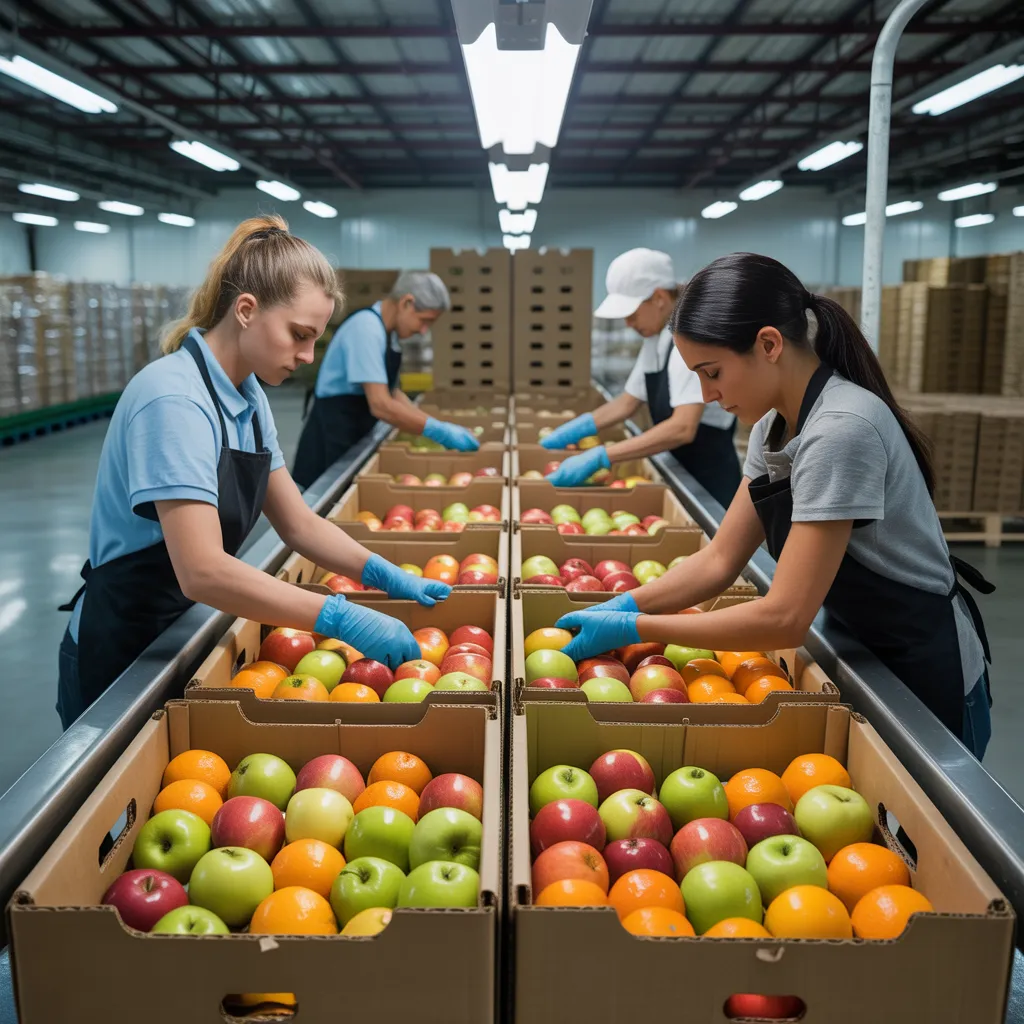
Transport and handling considerations play a important role in determining the proper size and form of custom produce containers. The dimensions must accommodate the goods without excessive space, which could lead to shifting and injury throughout transport. Smaller, compact boxes facilitate easier management, while larger boxes may be necessary for bulkier items. Furthermore, ergonomic design is vital; handles or openings should be deliberately placed to permit comfortable raising and carrying. The structure of the box also affects stacking and stability, making sure that products remain secure. In the end, careful consideration of these factors boosts the efficiency of transport, minimizes product loss, and upholds the general integrity of the fresh items starting farm until consumer.
Optimize Storage Space Utilization
Efficient shelving efficiency relies upon selecting the appropriate size and shape of tailored fruit and vegetable containers. Designers should take into account the dimensions of the shelving units as well as the types of fruits and vegetables being kept. Square-sided boxes often maximize spatial utilization, allowing for easier arrangement and organization. On the other hand, distinctive forms can enhance visual appeal but may lead to wasted space if not carefully planned.
It's critical to scrutinize the inventory turnover rate; products with slower velocity might benefit from compact, readily accessible boxes. In addition, introducing modular or adjustable designs can accommodate multiple produce sizes while optimizing shelf layout. By prioritizing aesthetic and functional qualities, retailers can develop a functional and visually striking display that enhances both ease of access and promotional impact.
How to Design Visuals That Capture Interest?
Engaging graphics can convert a simple custom produce box into a visual masterpiece that attracts attention. To accomplish this, designers should start by selecting a color scheme that showcases the freshness and vibrancy of the produce. Bright, eye-catching colors can evoke feelings of freshness and health, compelling consumers to take a closer look.
Bold typefaces proves equally vital; clear and legible fonts can effectively communicate crucial details while strengthening visual appeal. Additionally, using high-quality images of the merchandise can create an immediate connection, showcasing the item's superiority and motivating prospective clients.
Furthermore, incorporating original designs and artwork can help differentiate the brand in a congested market. Steadiness in visual features, such as logos and taglines, reinforces brand identity. Ultimately, a blend of originality and lucidity in graphic design can greatly elevate the significance of custom produce boxes, making them shine on shelves.
Environmentally Responsible Practices for Custom Produce Box Containers
An increasing amount of businesses are implementing sustainable practices for custom produce box packaging, recognizing its necessity in today's environmentally conscious market. These methods often include the use of compostable materials, such as recycled paper and plant-based plastics, which lessen environmental impact. Companies are also focusing on sustainable sourcing, ensuring that materials are obtained from responsibly managed forests or suppliers who prioritize environmental stewardship.
Additionally, many brands are selecting minimalistic designs that decrease waste while still successfully displaying their products. This strategy not only attracts eco-conscious consumers but also helps in cutting down production costs. Moreover, businesses are progressively adopting efficient manufacturing processes that limit energy consumption and waste generation. By incorporating these sustainable practices, companies not only enhance their brand image but also contribute positively to the planet, matching their operations with a sustainable future.
Verify Your Custom Produce Box Design
Evaluating the structure of custom produce boxes is a vital step in verifying they meet both visual and operational specifications. This process typically involves reviewing factors like resilience, size, and usability. First, prototypes need to be created to test the box's structural integrity, confirming it is able to endure transportation and storage without harming the items.
Afterwards, usability reviews can be done to ascertain how without difficulty the boxes can be opened, latched, and nested. Feedback from intended users can be crucial in this phase, presenting viewpoints into the box's practicality.
Additionally, the design's visual appeal should be tested through focus groups or surveys, gauging consumer feedback to branding elements, colors, and total visual presentation.
In the end, thorough evaluation permits designers to enhance the box, guaranteeing it not only attracts customers but also effectively protects and displays the produce within, striking the right equilibrium between form and function.
Efficiently Market Your Made-to-Order Produce Boxes
Successful promotion of personalized vegetable containers demands a well-planned strategy that emphasizes their unique features and benefits. Businesses should concentrate on identifying their target audience, whether they are local farms, grocery stores, or individual consumers. Leveraging social media platforms can amplify market visibility, displaying the boxes' appearance and functionality through compelling visuals and storytelling.
In addition, aligning with local influencers or farmers can reinforce authenticity and amplify visibility. Rolling out bargains or markdown offers during busy seasons can entice initial customers and motivate repeat business.
Moreover, stressing environmental consciousness and green initiatives in advertising content can appeal to eco-minded customers. Delivering thorough details about the materials used and the benefits of custom packaging can better position the product in an increasingly competitive landscape.
Ultimately, a thorough marketing strategy that combines digital and community-based activities will successfully publicize custom produce boxes, attracting a diverse clientele and driving sales.
Frequently Asked Questions
What Charges Come With Custom Produce Box Planning?
Fees related to custom produce box design feature materials needed, print production, labor, and freight. Also, design consultation and order thresholds can determine overall expenses, creating varying prices based on unique needs and manufacturing scale.
What Duration Is Needed to Manufacture Custom Boxes?
The production of personalized packaging typically requires anywhere from two to six weeks. Elements affecting this schedule consist of design complexity, materials availability, and manufacturing capacity, all of which can affect delivery schedules and turnaround periods.
Is it Feasible to Buy a Small Volume of Custom Produce Boxes?
Yes, small volumes of made-to-order produce boxes can generally be secured. Many merchants provide minimum order quantities, making it possible for businesses or individuals to obtain customized packaging solutions without needing to obligate to substantial amounts to start.
Which Common Missteps Should Be Avoided in Custom Box Design?
Common errors in custom box design consist of overlooking functionality, disregarding brand consistency, underestimating material quality, failing to take into account target audience preferences, and overlooking environmental impact. Each aspect is essential for successful packaging and customer satisfaction.
How Do I Verify My Boxes Are Food-Safe?
To ensure boxes are food-safe, one must select substances certified for food contact, prevent dangerous inks and adhesives, keep cleanliness during production, and regularly test for compliance with health regulations and safety standards.